
Favorite Basement Waterproofing Products for Effective Moisture Control
Learn about the most popular waterproofing solutions that help prevent water intrusion and maintain a dry basement environment.
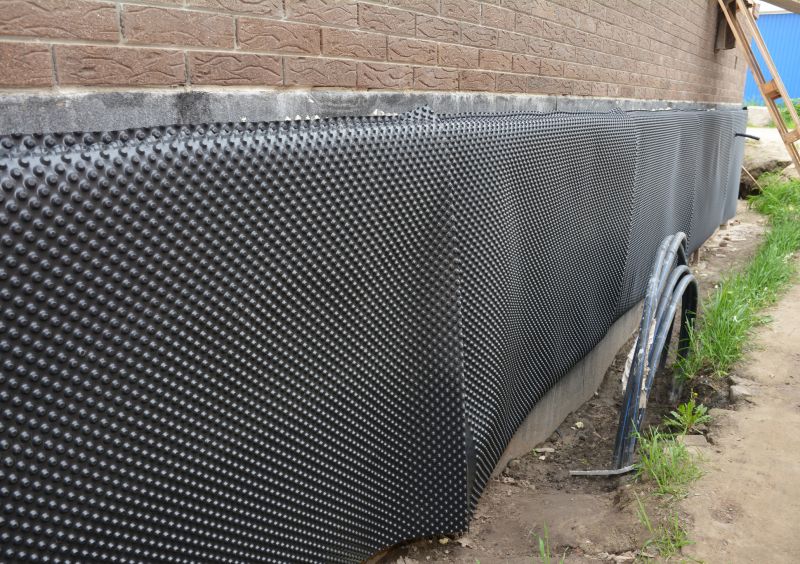 Basement waterproofing products are essential tools for maintaining a dry and stable underground space. They help prevent water intrusion, which can lead to structural damage, mold growth, and other issues that compromise the integrity of a building. These products come in various forms, including sealants, membranes, drainage systems, and coatings, each designed to address different types of moisture problems. Proper selection and application of these materials can significantly improve the durability and safety of a basement environment.
Top Overall Option
Comprehensive Basement Waterproofing System
A versatile and integrated waterproofing approach that combines interior sealants, exterior membranes, and drainage systems. This all-in-one solution offers a thorough barrier against moisture intrusion and water accumulation, suitable for a variety of basement conditions. Proper installation and maintenance can help create a more dry and stable underground space.
Types of Products For Basement Waterproofings
Interior Sealants and Coatings
Applied directly to basement walls and floors to block minor leaks and dampness, these products are easy to use and ideal for interior moisture control.
Exterior Waterproof Membranes
These membranes are installed on the outside of the foundation to create a barrier against groundwater and surface water penetration.
Drainage Systems
Drainage mats, channels, and pipes help divert water away from the foundation, reducing hydrostatic pressure and moisture buildup.
Waterproofing Paints and Coatings
Specialized paints provide a waterproof layer on interior walls, offering additional moisture resistance.
Sump Pumps
Devices designed to remove accumulated water from basements, especially useful in areas with high water tables or frequent flooding.
Foundation Sealants
Sealants designed to fill cracks and gaps in the foundation to prevent water ingress.
Waterproofing Boards
Rigid or flexible panels installed on walls to provide a moisture barrier and support drainage systems.
Waterproofing Tapes
Flexible tapes used to seal joints, cracks, and seams on walls and floors to prevent water leaks.
Waterproofing Admixtures
Chemical additives mixed into concrete or mortar to reduce permeability and enhance resistance to water penetration.
Vapor Barriers
Materials installed on floors or walls to prevent moisture vapor from passing through and causing dampness.
Popular Choices
Commonly used for minor leaks, these sealants are easy to apply and provide a quick moisture barrier.
Applied to foundation walls to prevent water penetration from outside, often used in conjunction with drainage systems.
Installed on foundation walls to facilitate water movement away from the structure, reducing hydrostatic pressure.
Reliable sump pump systems that include backup features for added protection during power outages or heavy rainfall.
Interior paints formulated to add a waterproof layer, often used as a finishing touch after sealing cracks.
Flexible sealants used to fill and seal cracks, preventing water from seeping through foundation walls.
Sealing tapes used to reinforce joints and seams, providing an additional layer of moisture protection.
Flexible membranes installed on exterior or interior surfaces to create a durable water barrier.
Materials installed on floors to prevent moisture vapor migration and reduce dampness.
Additives mixed into concrete to reduce permeability and improve water resistance of the foundation.
Many homeowners and contractors opt for a combination of waterproofing solutions tailored to the specific conditions of the basement. For instance, interior sealants and coatings are often used to block minor leaks and dampness, while exterior membranes and drainage systems are employed to divert water away from the foundation. It is important to assess the source and severity of water issues before choosing a product, as some solutions are better suited for ongoing seepage, while others are designed for preventative measures.
Installation methods vary depending on the product type. Some waterproofing materials are applied directly to walls and floors, requiring surface preparation and proper curing time. Others involve installing external barriers or drainage channels that work passively to manage groundwater. Regular maintenance and inspections can help ensure these systems continue to function effectively over time, reducing the risk of water-related damage.
Choosing the right basement waterproofing products involves understanding the specific needs of your space, the existing foundation condition, and the local climate. Consulting with professionals or conducting thorough research can aid in selecting the most appropriate solutions. Investing in quality waterproofing products and proper installation can contribute to a safer, healthier, and more resilient basement environment, ultimately protecting your property and peace of mind.
Key Buying Considerations
- Assess the severity and source of water intrusion to choose appropriate products.
- Determine whether interior or exterior solutions are needed based on your basement's condition.
- Consider the compatibility of waterproofing products with existing foundation materials.
- Evaluate the ease of application and whether professional installation is recommended.
- Check for products that are suitable for your climate and seasonal conditions.
- Review the maintenance requirements for different waterproofing systems.
- Ensure the selected products are designed for long-term durability and effectiveness.
- Factor in the size and layout of your basement to select appropriately scaled solutions.
- Look for products with good coverage and adhesion properties to ensure proper sealing.
- Consider the potential need for complementary systems like sump pumps or drainage channels.
- Verify that products are suitable for existing structural conditions, such as cracks or deterioration.
- Review safety instructions and compatibility with other building materials.
- Research warranties or guarantees offered by product manufacturers.
- Determine budget constraints while balancing quality and effectiveness.
- Consult with professionals if uncertain about the best approach for your basement.