Optimal Timing for Basement Waterproofing
Basement waterproofing is a crucial step in maintaining a dry and structurally sound home. The timing of waterproofing projects can significantly impact their effectiveness and longevity. Proper planning ensures that moisture issues are addressed before they lead to extensive damage or mold growth.
Spring is an ideal time for waterproofing as it precedes heavy rainfall, allowing treatments to settle before wet weather begins.
Summer offers warm, dry conditions that facilitate effective application and curing of waterproofing materials.
Fall provides cooler temperatures and less humidity, making it suitable for preparing the basement before winter.
Winter is generally not recommended due to freezing temperatures that can hinder the curing process and cause damage to waterproofing materials.
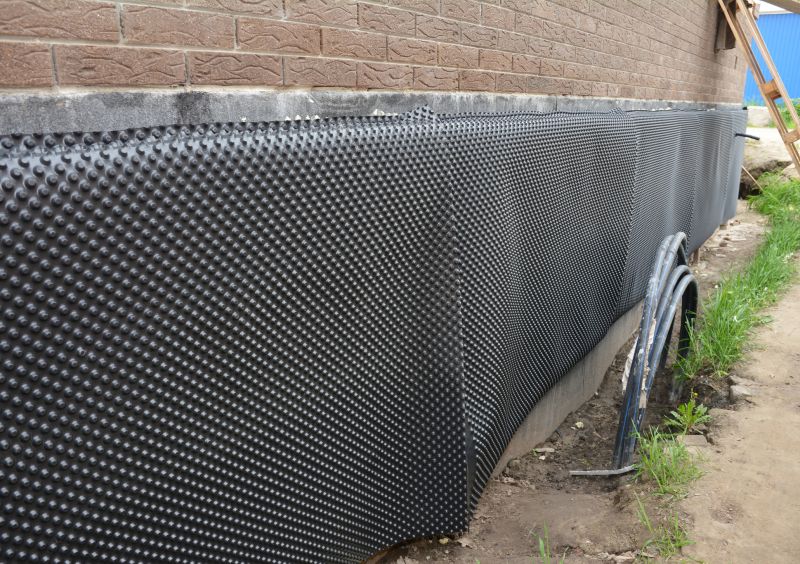
Ways to make Basement Waterproofings work in tight or awkward layouts.
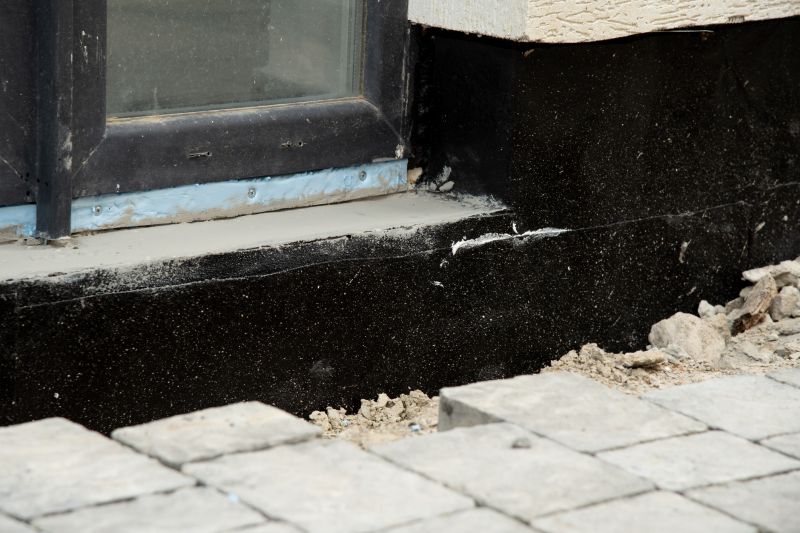
Popular materials for Basement Waterproofings and why they hold up over time.
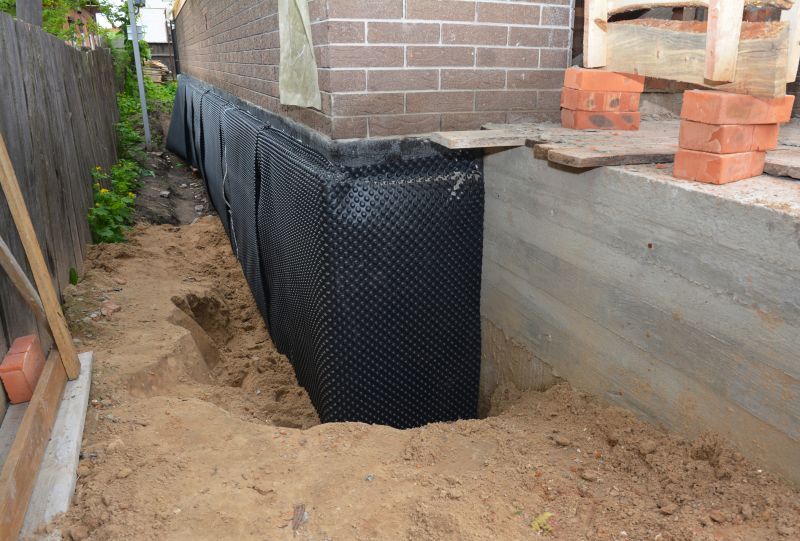
Simple add-ons that improve Basement Waterproofings without blowing the budget.
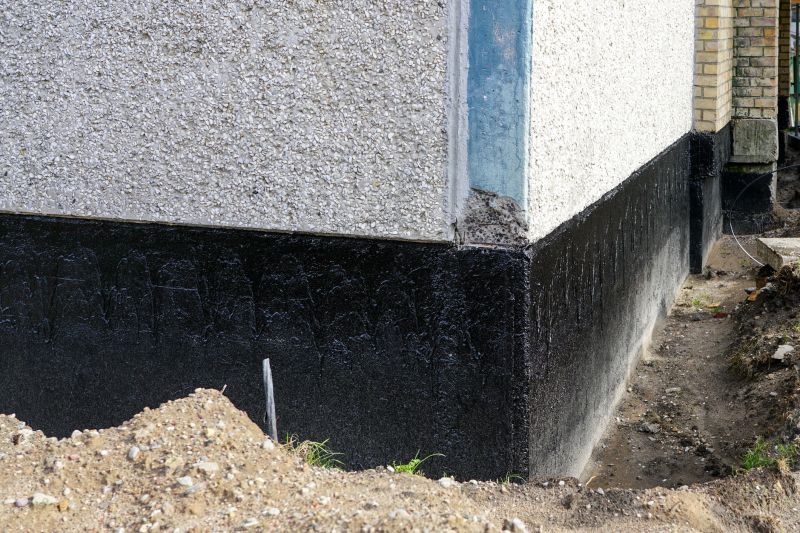
High-end options that actually feel worth it for Basement Waterproofings.
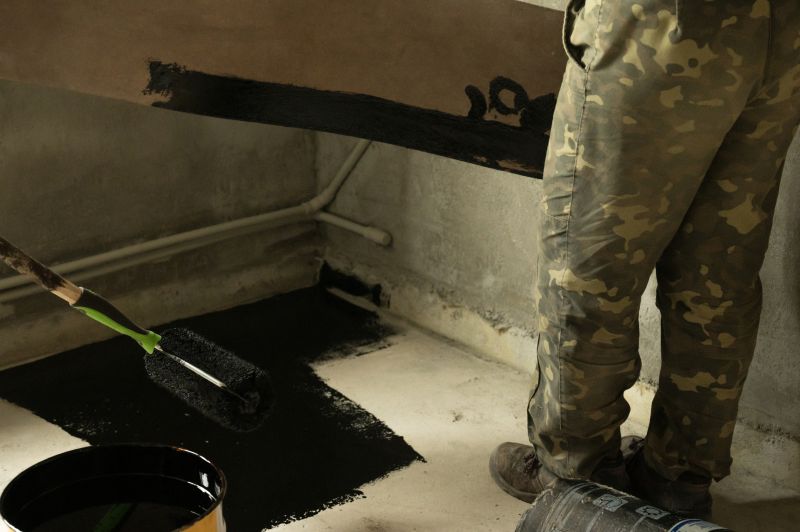
Finishes and colors that play nicely with Basement Waterproofings.
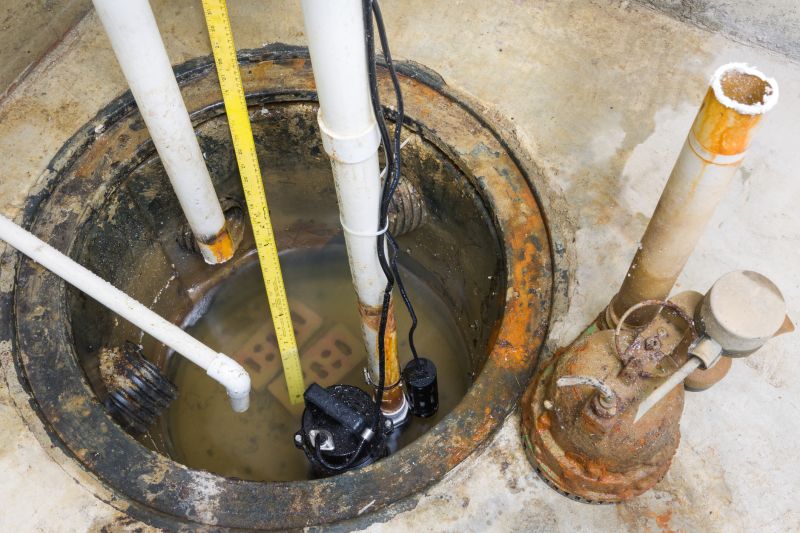
Little measurements that prevent headaches on Basement Waterproofings day.
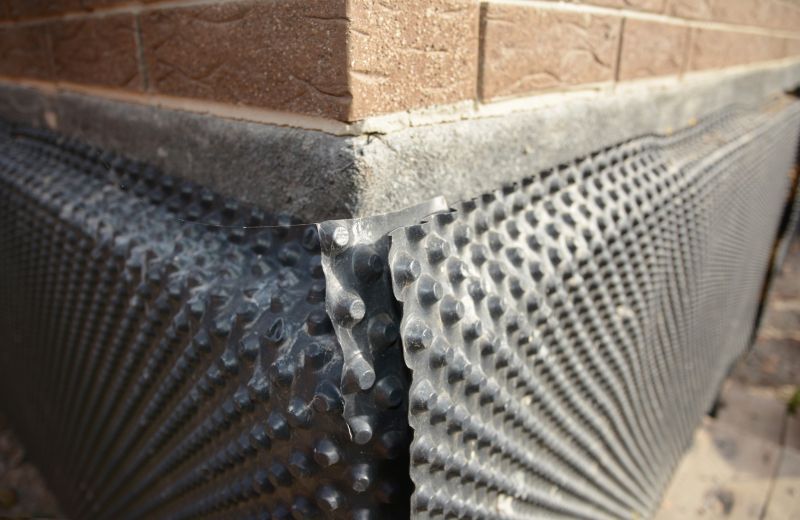
A 60-second routine that keeps Basement Waterproofings looking new.
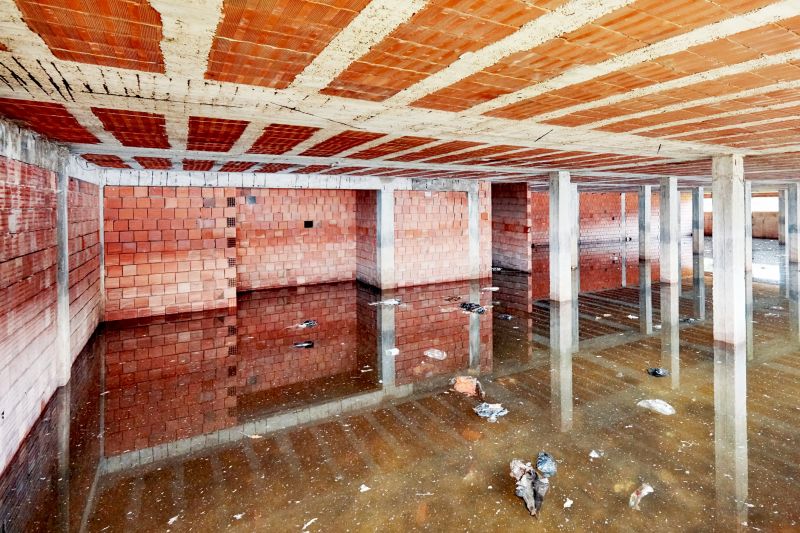
A frequent mistake in Basement Waterproofings and how to dodge it.
| Season | Recommended Conditions |
|---|---|
| Spring | Moderate temperatures, minimal rain |
| Summer | Warm, dry weather |
| Fall | Cool temperatures, low humidity |
| Winter | Freezing temperatures, high risk of curing issues |
Basement waterproofing involves applying specialized materials and techniques to prevent water ingress and protect the foundation. Proper waterproofing enhances structural integrity, reduces the risk of mold growth, and helps maintain a healthy indoor environment. Statistics indicate that waterproofing can prevent up to 60% of basement moisture problems when performed correctly. Regular inspections and timely maintenance are essential for ensuring long-term effectiveness.