Water Damage Mitigation in Phoenix, AZ
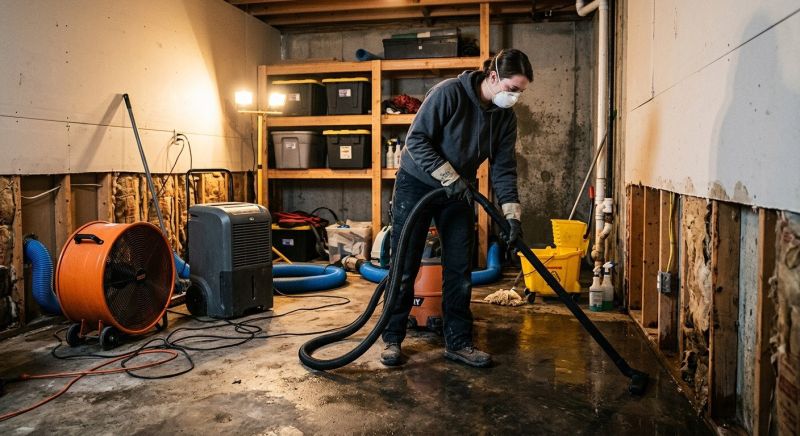
Water damage mitigation services involve the process of assessing, controlling, and reducing the impact of water intrusion in residential properties. These services typically address issues caused by leaks, flooding, burst pipes, or appliance failures, focusing on removing excess water, drying affected areas, and preventing further damage such as mold growth or structural deterioration. Projects can range from small-scale incidents in basements or kitchens to larger flood recovery efforts, ensuring that the property is stabilized and protected against ongoing issues.
Homeowners considering water damage mitigation usually want to understand the scope of work involved, including the types of damage that can be addressed and the steps taken to restore the property. It’s important to know what areas are likely to be affected, what equipment might be used, and how the process helps prevent long-term problems. Clarifying these details can help property owners make informed decisions about addressing water-related issues effectively.
Many property owners in Phoenix, AZ look into Water Damage Mitigation for repairs, replacements, upgrades, and appearance-related improvements.
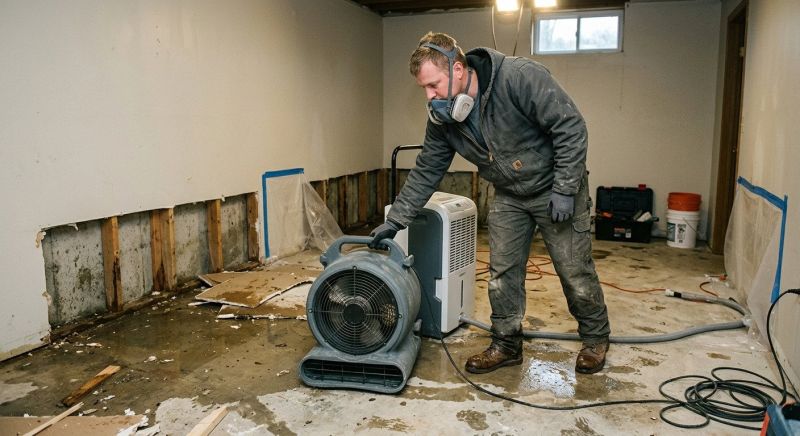
Water Damage Restoration
Effective removal of excess water to prevent further property damage.
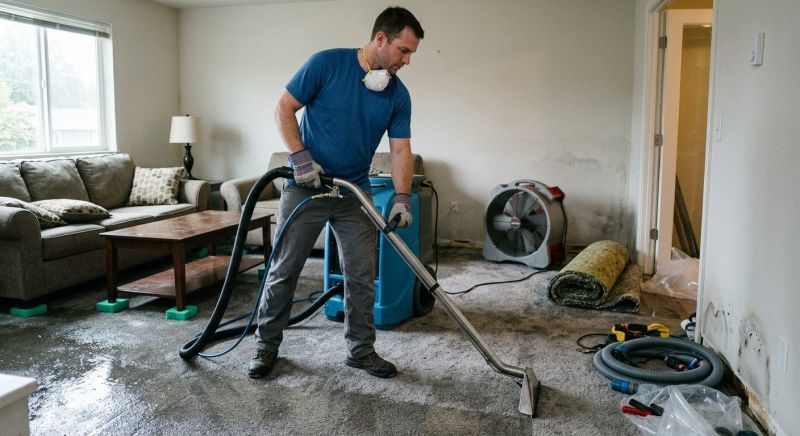
Structural Drying
Comprehensive drying of affected areas to restore safety and stability.
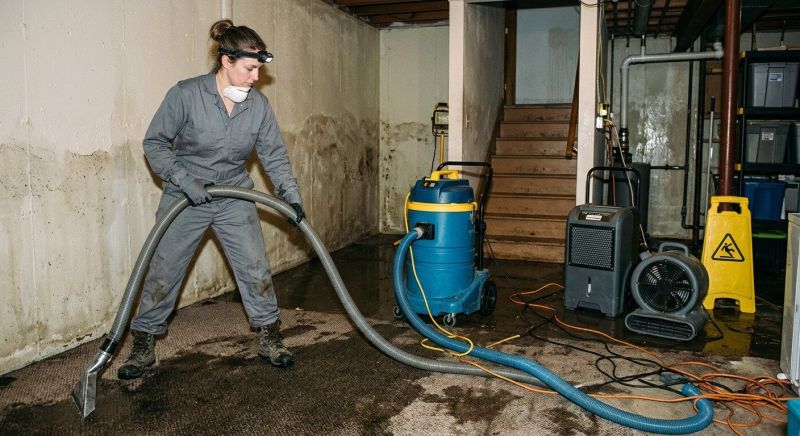
Mold Prevention And Cleanup
Addressing moisture issues to reduce the risk of mold growth in your home.
Water Damage Mitigation in Phoenix, AZ

Water damage mitigation services involve the process of assessing, controlling, and reducing the impact of water intrusion in residential properties. These services typically address issues caused by leaks, flooding, burst pipes, or appliance failures, focusing on removing excess water, drying affected areas, and preventing further damage such as mold growth or structural deterioration. Projects can range from small-scale incidents in basements or kitchens to larger flood recovery efforts, ensuring that the property is stabilized and protected against ongoing issues.
Homeowners considering water damage mitigation usually want to understand the scope of work involved, including the types of damage that can be addressed and the steps taken to restore the property. It’s important to know what areas are likely to be affected, what equipment might be used, and how the process helps prevent long-term problems. Clarifying these details can help property owners make informed decisions about addressing water-related issues effectively.
Many property owners in Phoenix, AZ look into Water Damage Mitigation for repairs, replacements, upgrades, and appearance-related improvements.
Common Water Damage Mitigation Jobs
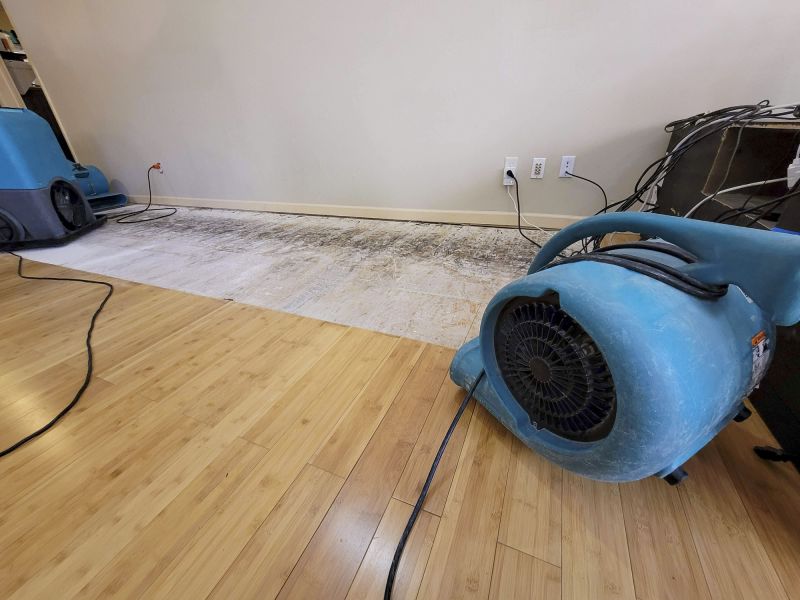
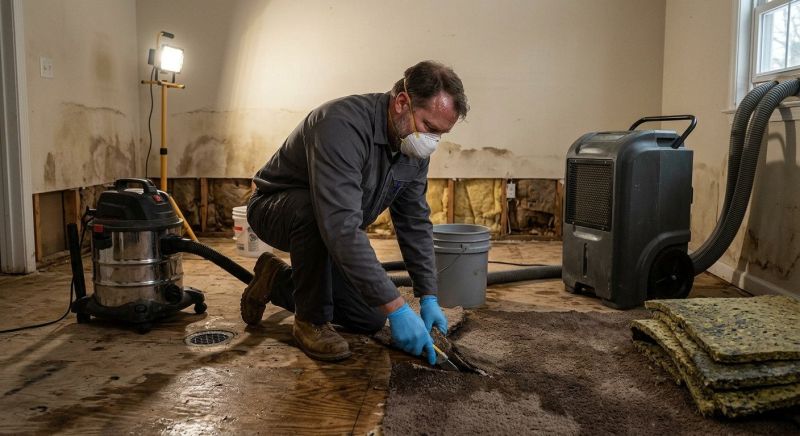
Water extraction and drying - removing excess water to prevent further damage and mold growth.
Structural drying - drying out walls, floors, and ceilings to restore stability.
Mold prevention - treating affected areas to inhibit mold development after water intrusion.
Content drying and recovery - salvaging and drying furniture, documents, and personal belongings.
Leak detection and repair - locating sources of water intrusion to prevent future damage.
Cleanup and sanitization - disinfecting affected areas to ensure a safe and healthy environment.
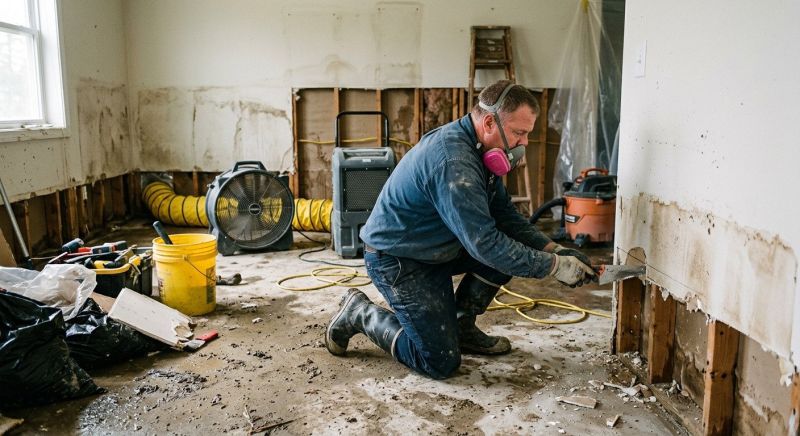
Water Damage Mitigation Questions
What is water damage mitigation? It involves removing excess water and preventing further damage after a leak or flooding event to protect the property.
What types of water damage are addressed? Services typically handle damage caused by leaks, burst pipes, flooding, and roof leaks that affect walls, floors, and belongings.
Why is prompt mitigation important? Acting quickly helps prevent mold growth, structural issues, and extensive repairs, preserving the property's value.
What are common mitigation methods? Techniques include water extraction, drying, dehumidification, and cleaning to restore the affected areas effectively.
Request Water Damage Mitigation in Phoenix, AZ
Use the quote form on this page to share the basics of your project and request more information for the type of work you need.